.png)
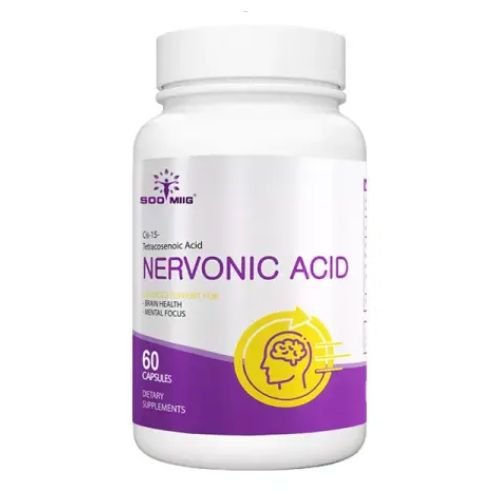
Nervonic Acid Brain Health In Pakistan
Nervonic Acid Brain Health In Pakistan | EbayTeleMall.com
Nervonic acid (NA) is a monounsaturated fatty acid (24:1n-9) that plays a crucial role in brain health, particularly in the development and maintenance of myelin sheaths—the protective coatings around nerve fibers that ensure efficient signal transmission. Here’s how it supports cognitive function and neurological well-being:
Key Benefits for Brain Health
-
Myelin Formation & Repair
-
Nervonic acid is a major component of sphingolipids, essential for myelin synthesis.
-
Supports remyelination in neurodegenerative diseases (e.g., multiple sclerosis, Alzheimer’s).
-
-
Neuroprotection & Cognitive Function
-
Helps maintain neuronal membrane integrity, improving memory and learning.
-
May reduce neuroinflammation and oxidative stress linked to cognitive decline.
-
-
Developmental Brain Health
-
Critical for infant brain development (found in breast milk).
-
Deficiencies may contribute to neurodevelopmental disorders (e.g., autism, ADHD).
-
-
Potential in Neurological Disorders
-
Studies suggest benefits for adrenoleukodystrophy (ALD), MS, and Parkinson’s.
-
May slow progression of demyelinating diseases.
-
Dietary Sources of Nervonic Acid
-
Natural Oils:
-
Macadamia nut oil (highest plant source)
-
Mustard seed oil
-
Lunaria oil (from honesty plant)
-
-
Animal Sources:
-
Salmon, eggs, dairy (smaller amounts)
-
-
Supplements:
-
Sphingolipid-rich extracts (e.g., ceramides)
-
Research & Considerations
-
Dosing: Optimal intake isn’t well-established; studies often use 100–500 mg/day.
-
Deficiency Risks: Linked to neurodegeneration and impaired motor function.
-
Supplementation: Emerging in nootropic and brain health formulas.
Would you like recommendations on specific supplements or studies?